Metal Hardness Tester
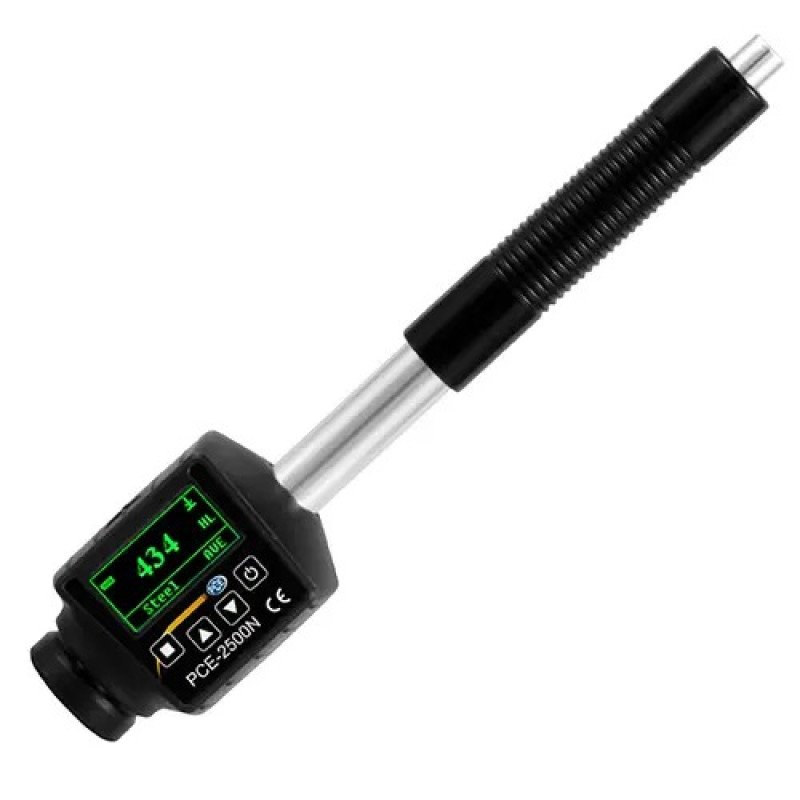
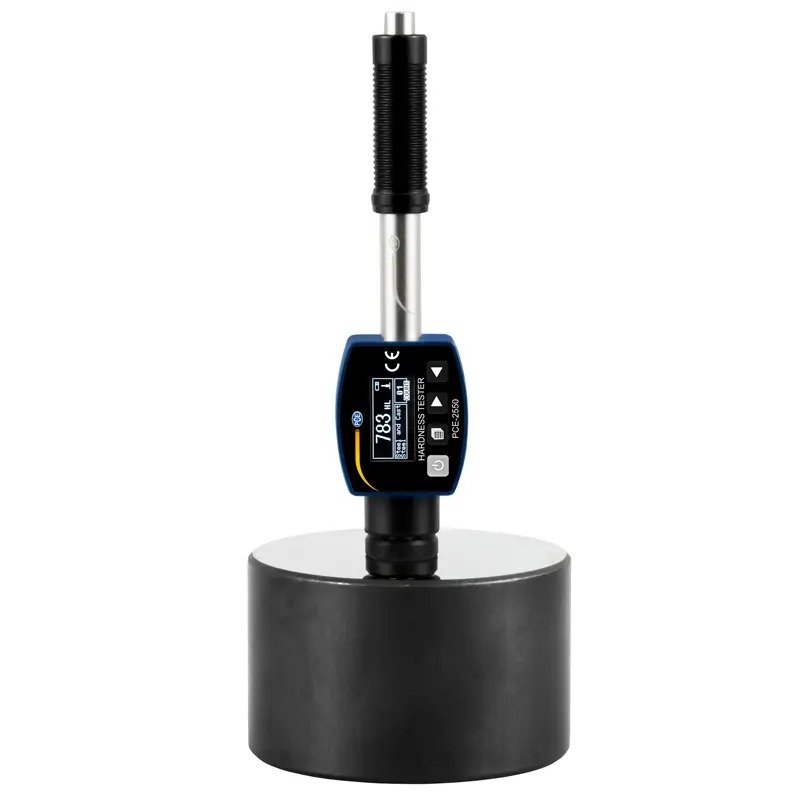
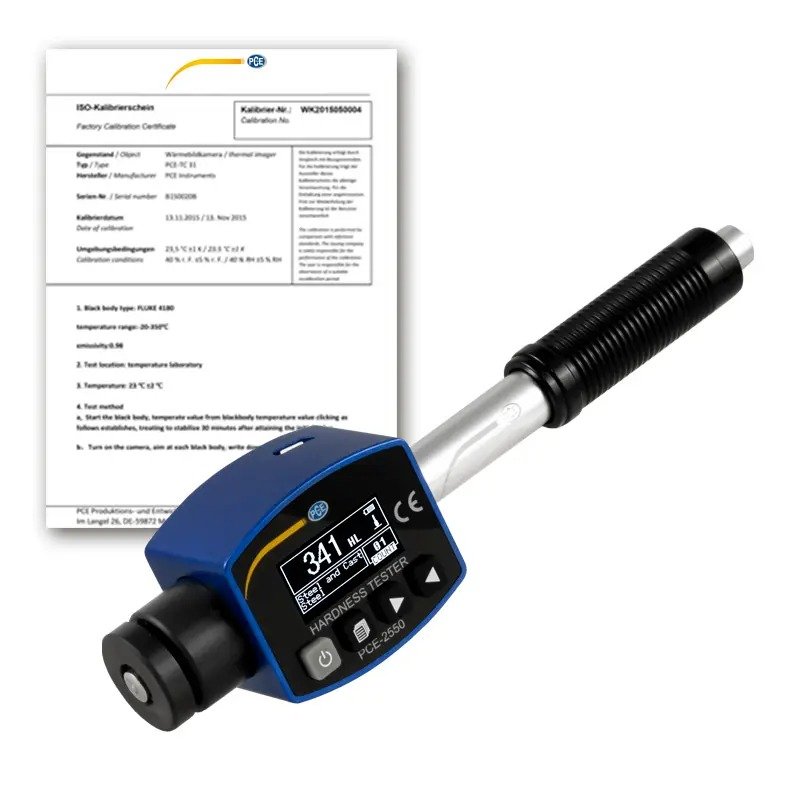
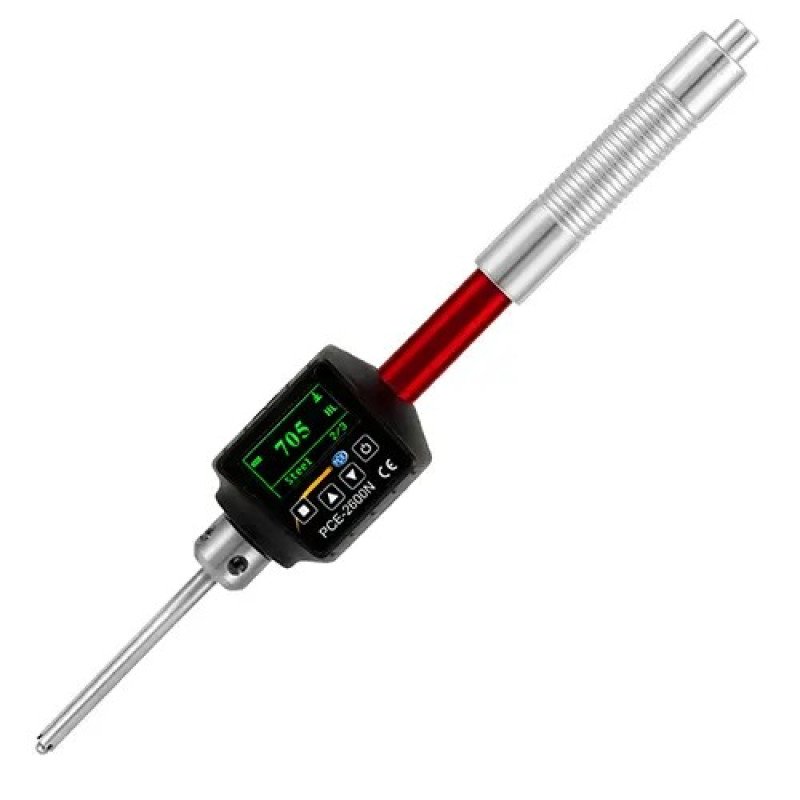
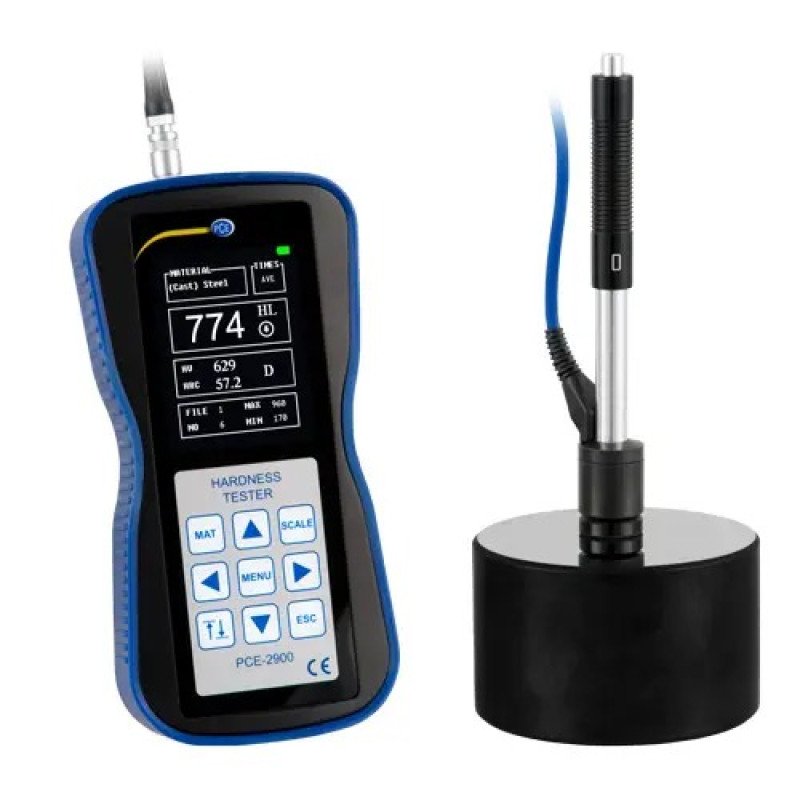
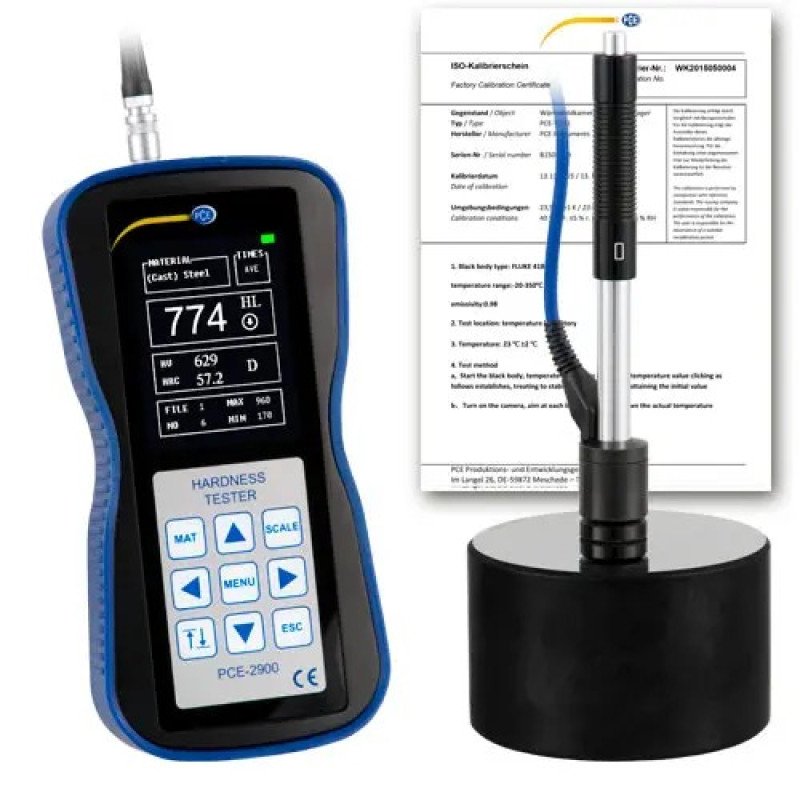
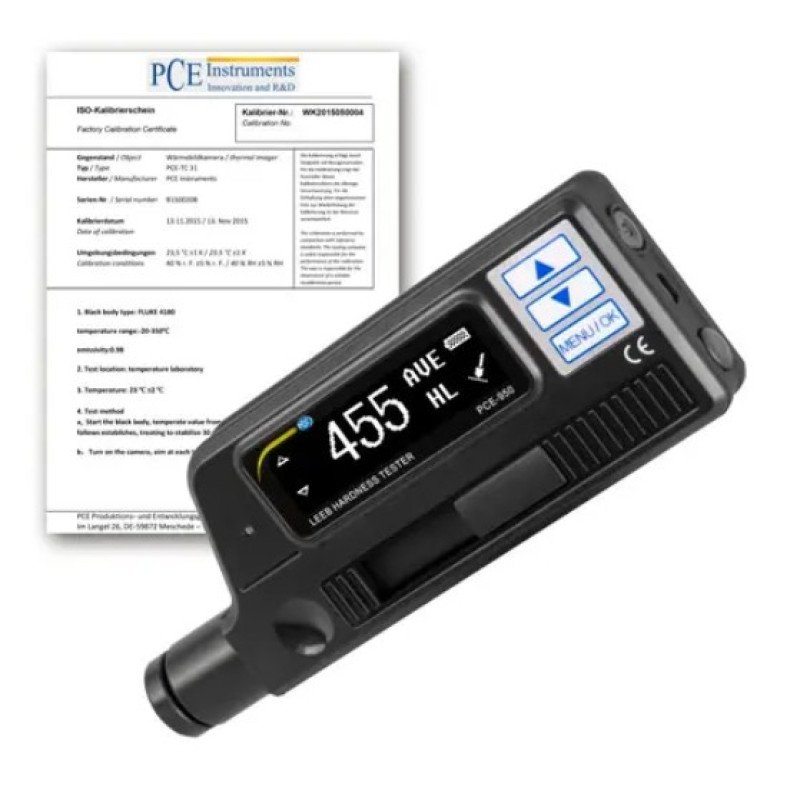
The hardness tester products you will find at PCE Instruments (PCE) are used for determining surface hardness. Each hardness tester uses a standard method of measurement. The measuring principles of most hardness tester devices are based on either the penetration of a diamond indentor into the material being tested or a calculation related to the force of the rebound after striking the tested material. However, material hardness can also be measured accurately through ultrasonic testing. Each hardness testing method has its benefits and will allow for the precise measurement of material hardness in accordance with the technical specifications of the hardness testing instrument.
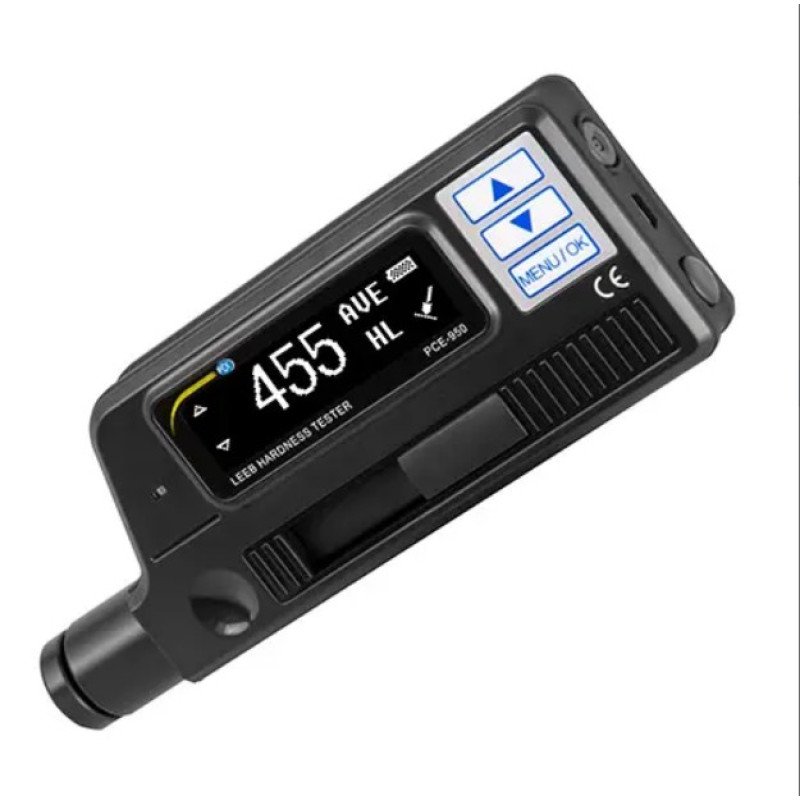
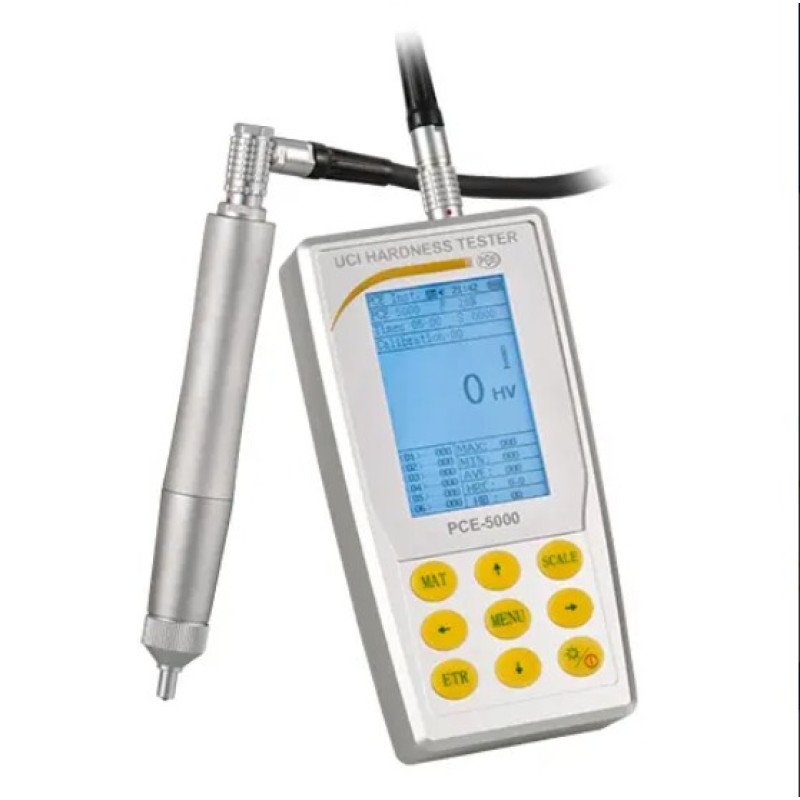
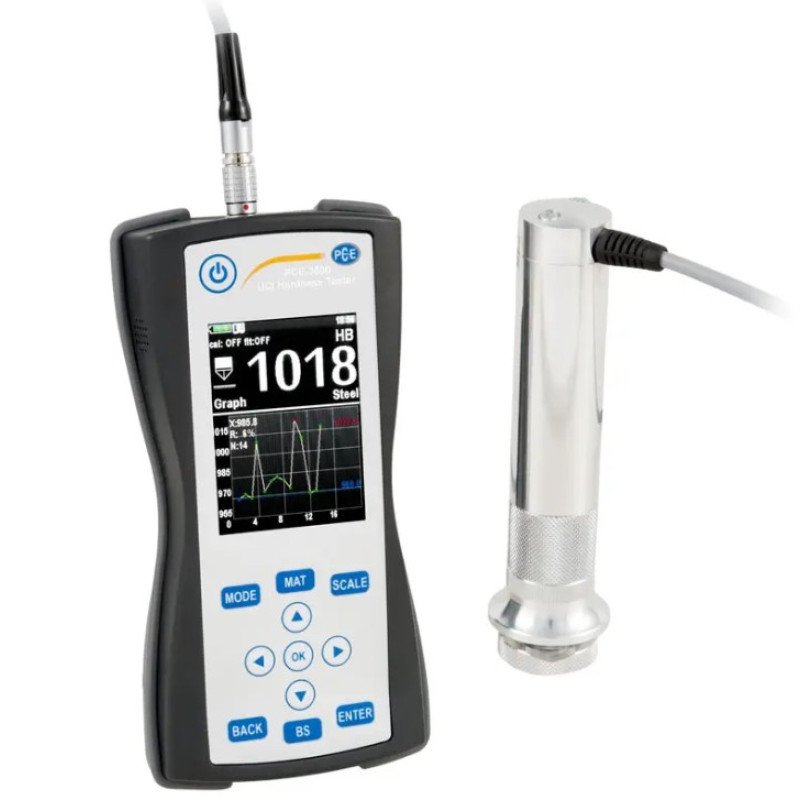
For example, Brinell and Rockwell hardness measurement methods use a heavy force and create a big indentation in the surface of the material being tested. The Vickers hardness testing method incorporates optical measurement, but cannot be used on installed machinery and permanently assembled parts. Leeb hardness testing devices apply rebound and indirect methods to measure hardness, but cause significant deviations when converting from Leeb to Brinell, Rockwell and Vickers hardness scales. Ultrasonic hardness testers use the high-accuracy ultrasonic contact impedance (UCI) method to measure hardness, leaving a microscopic indentation in the surface of the material being tested. However, due to the degree of accuracy and the essentially nondestructive nature of measurement afforded by an ultrasonic hardness tester, the price of the device usually is higher.
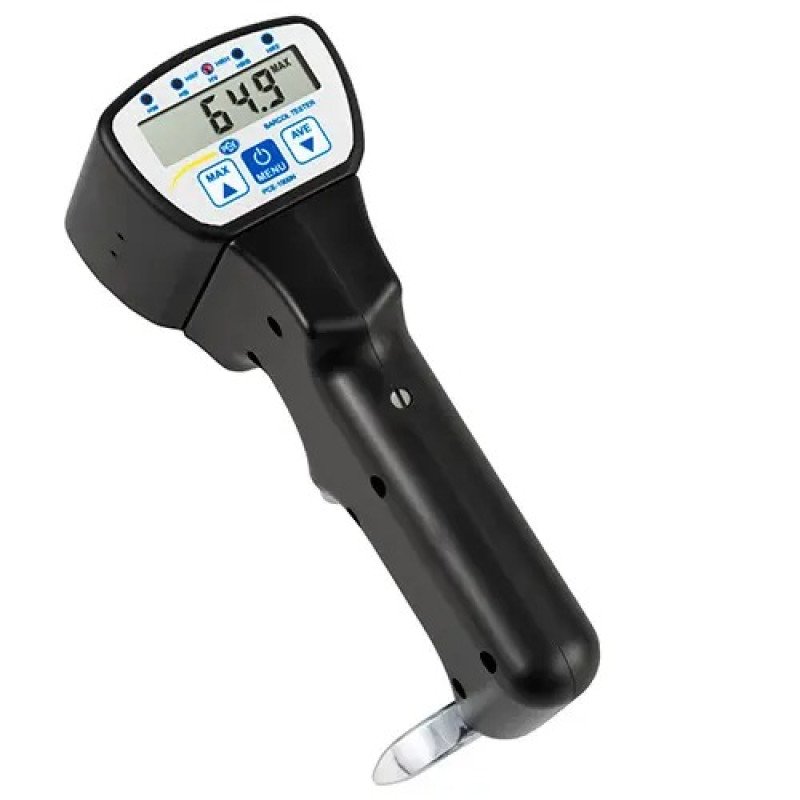
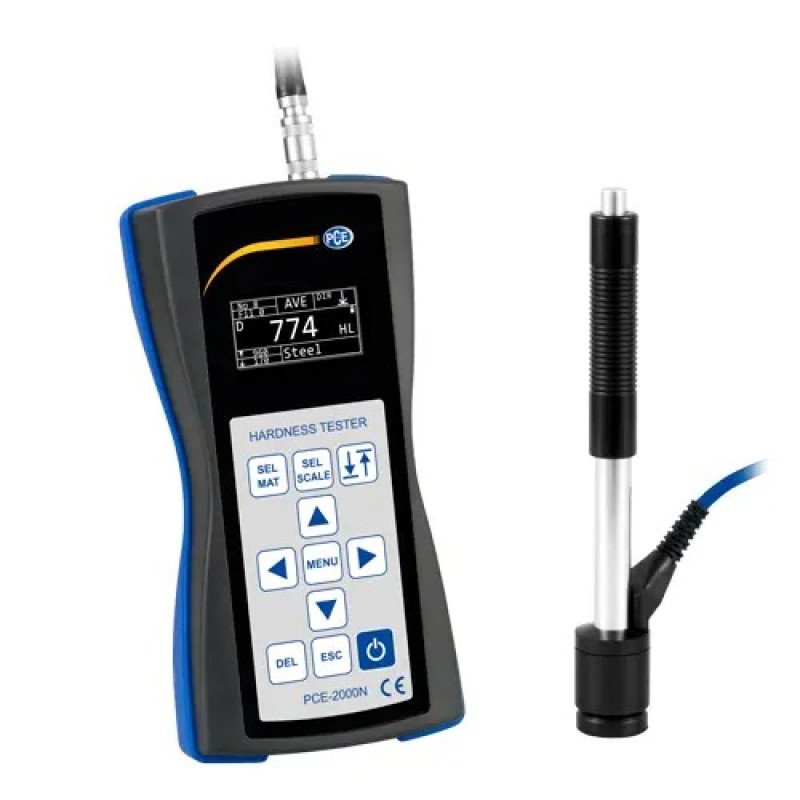
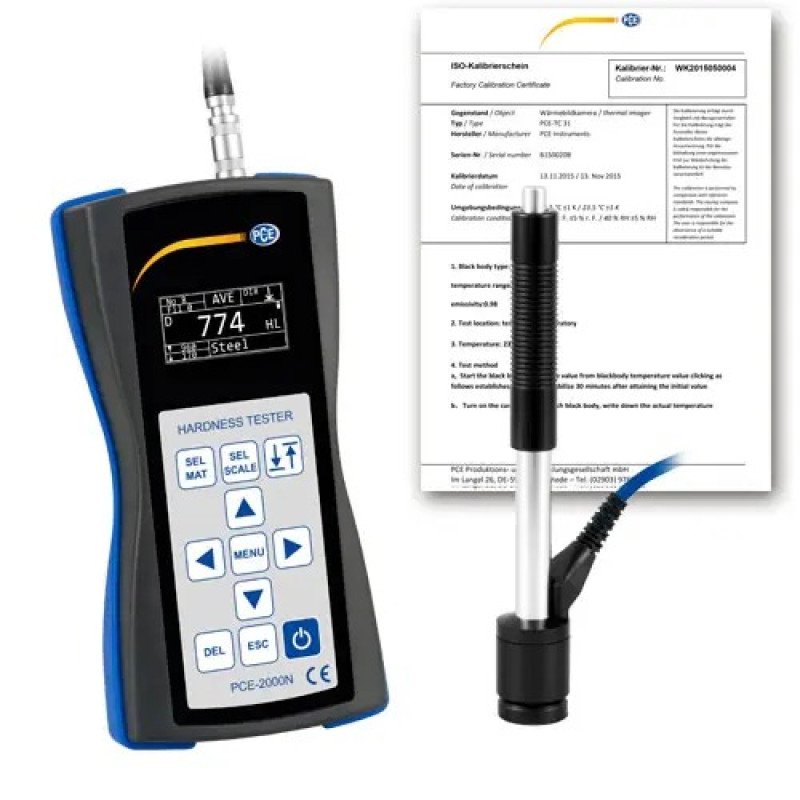
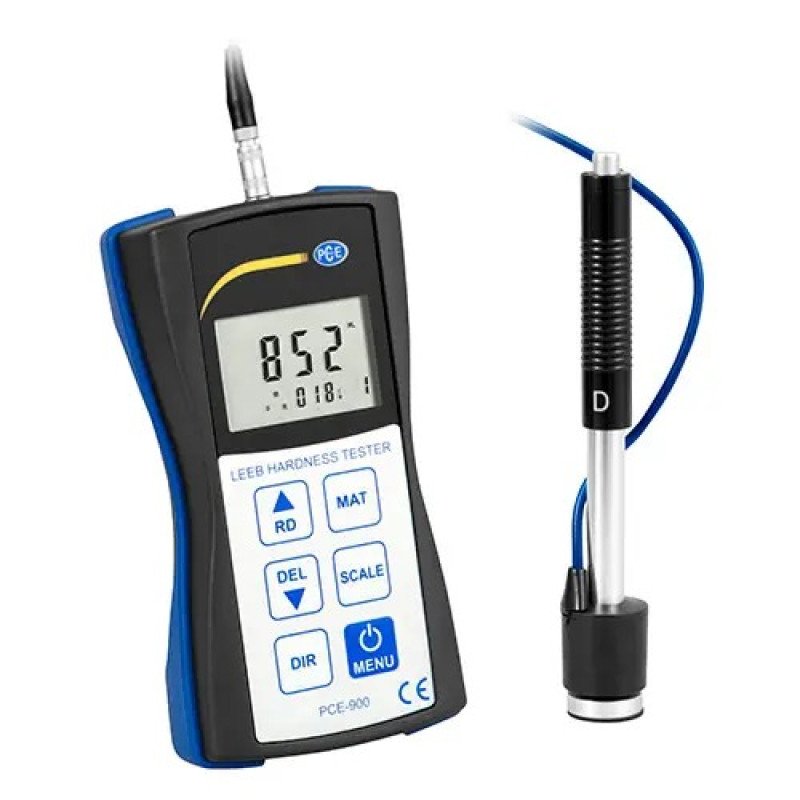
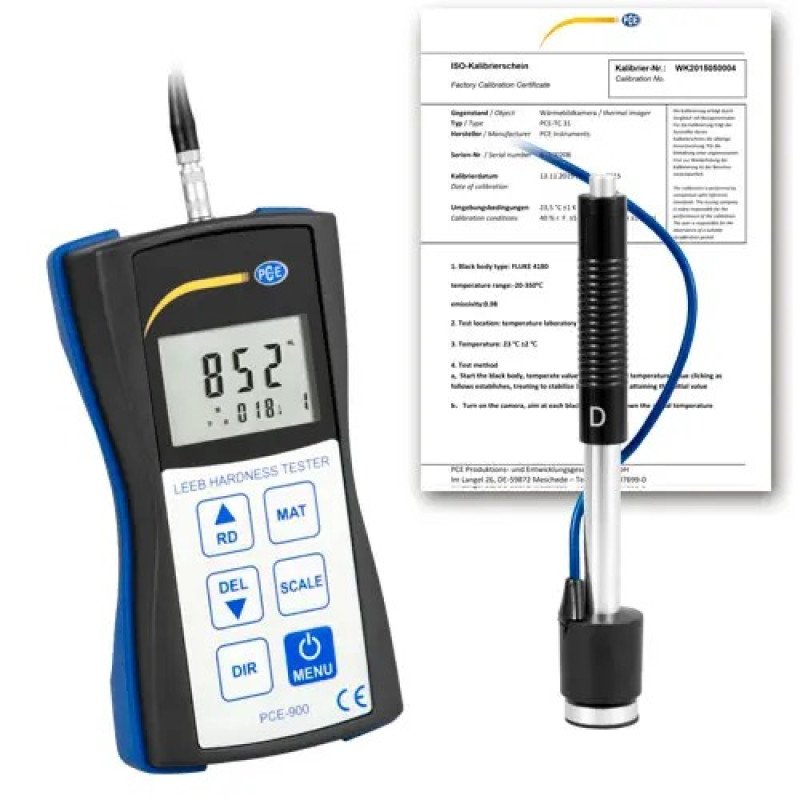
A hardness tester is especially practical in areas of manufacturing production, quality control and technical service due to its portability and ergonomic design. In PCE's extensive range of test and measurement equipment, there are a variety of high-quality hardness tester products for determining the hardness of nearly every material — from metal, plastic and rubber to concrete, leather and beyond. Depending on the type, a hardness tester typically measures hardness in Shore (HS), Rockwell (HRA / HRB / HRC / HRD / HRE / HRF / HRG / HRH / HRK / HRN / HRT), Brinell (HB), Vickers (HV), Leeb (HL), Barcol (HBA), Webster (HW) or MPa (N/mm²) SI hardness units. An analog or mechanical hardness tester can be equipped with a 360° dial, while a digital hardness tester usually has an LCD screen. Some digital hardness testers offer datalogging capabilities with key features like an internal memory and a USB port for data transfer to a computer.
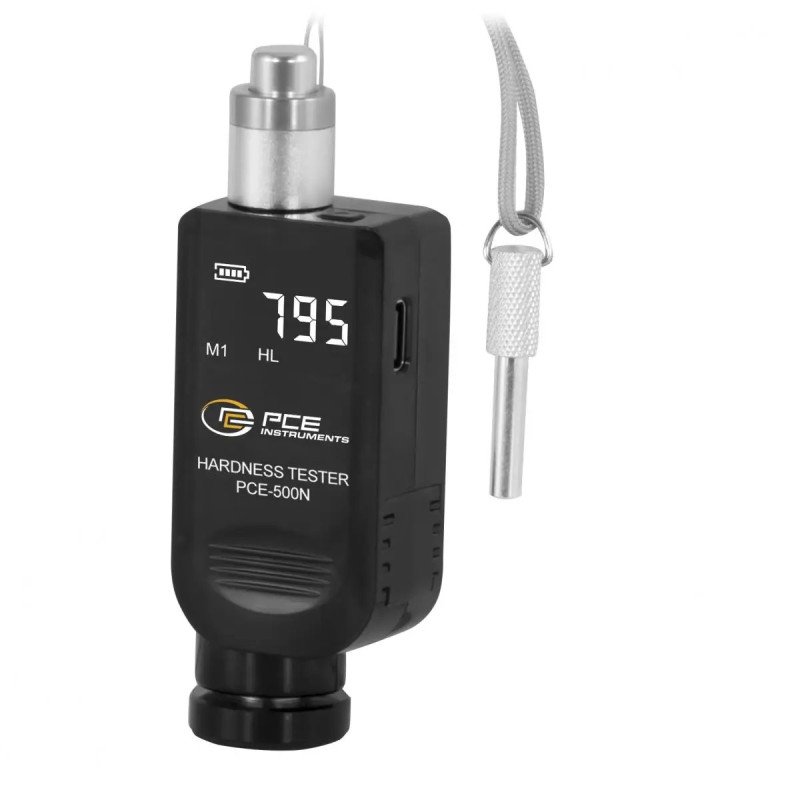
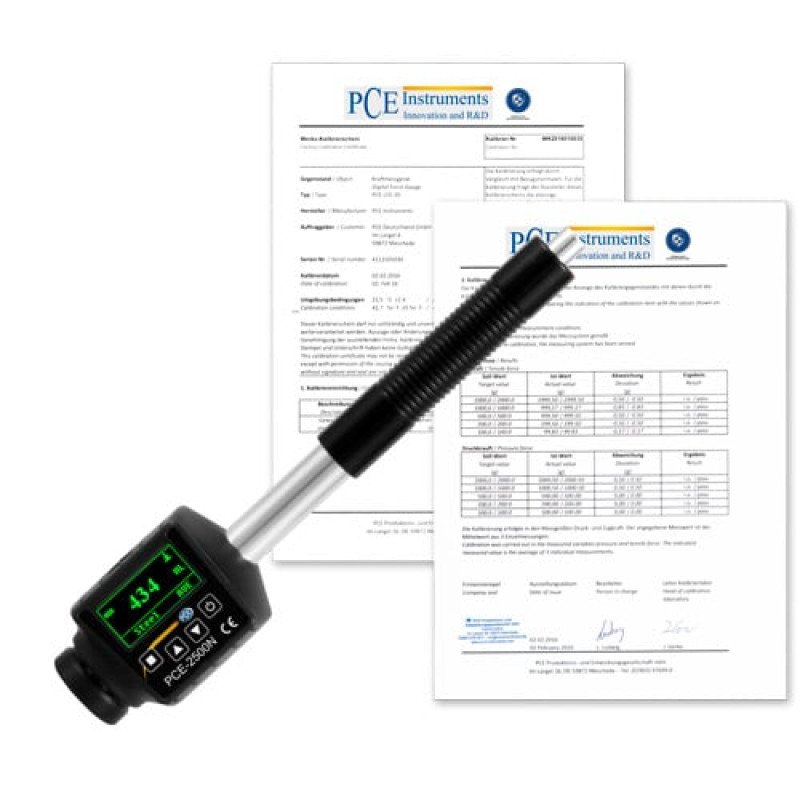
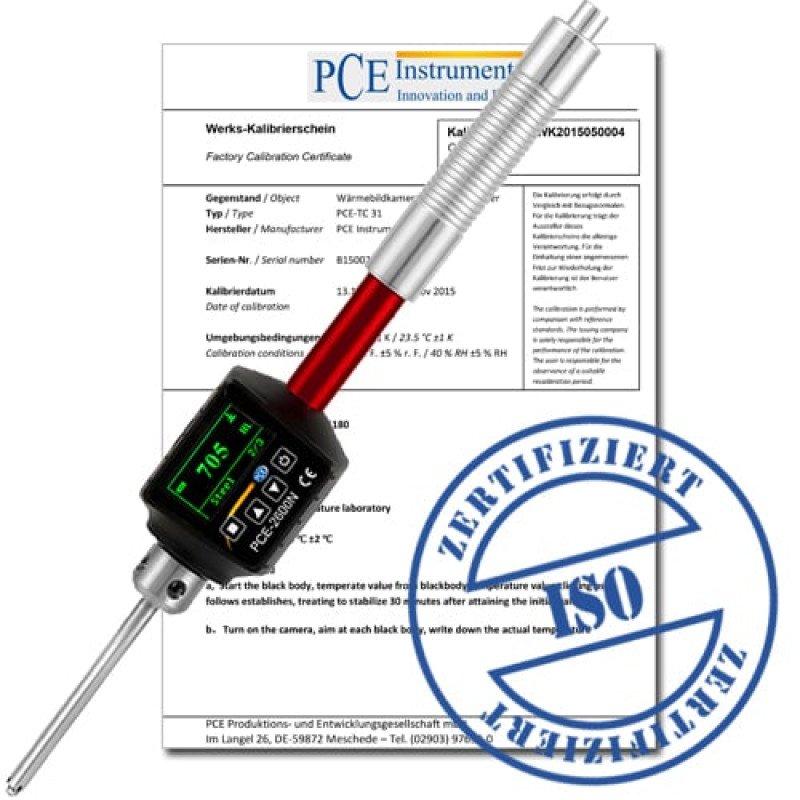
Another advantage of a digital hardness tester is an internal rechargeable battery, like the battery found in the hardness tester model PCE-1000. The PCE-1000 hardness tester with integrated refraction impact offers the added benefit of taking measurements without the use of cables that can interfere during a measurement.