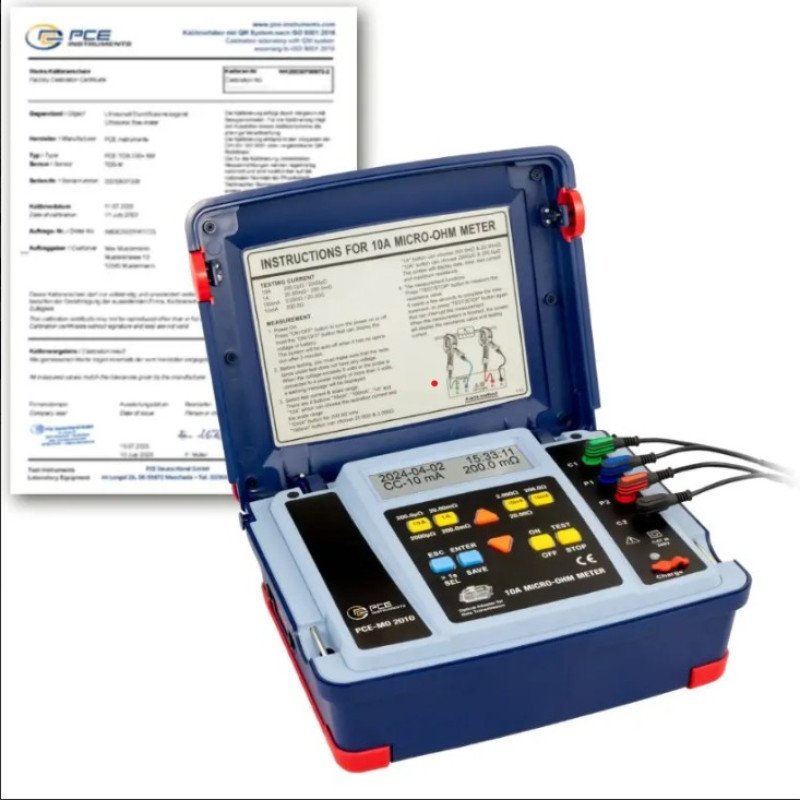
Micro-, milli-, megohmmeter
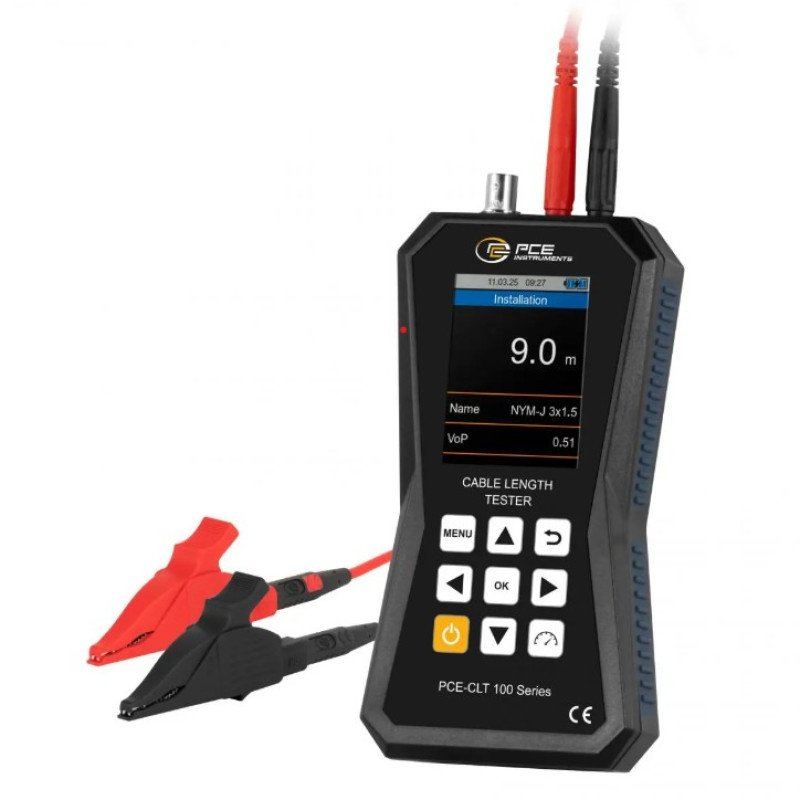
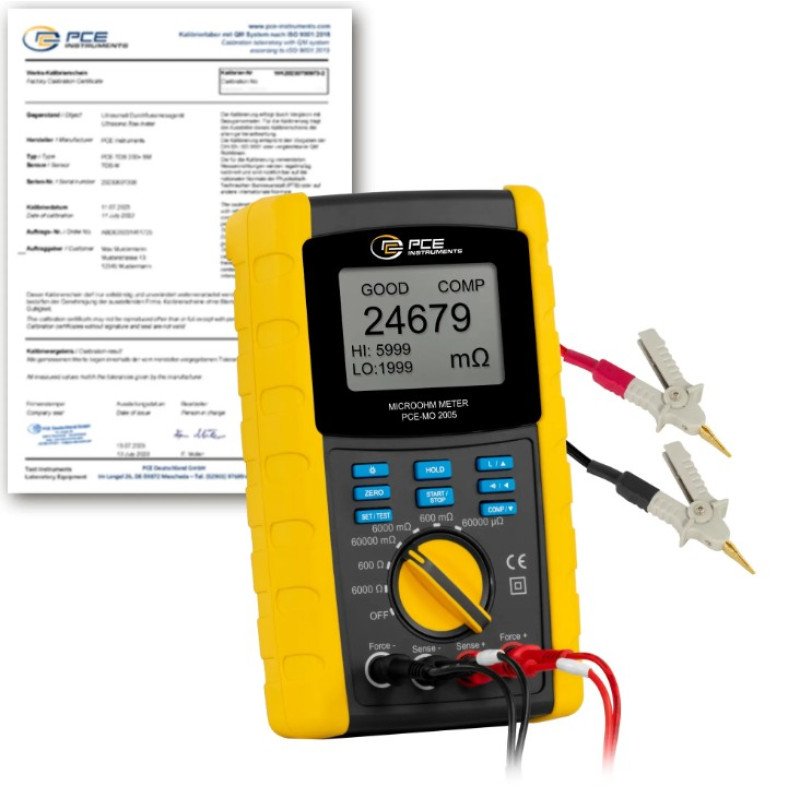
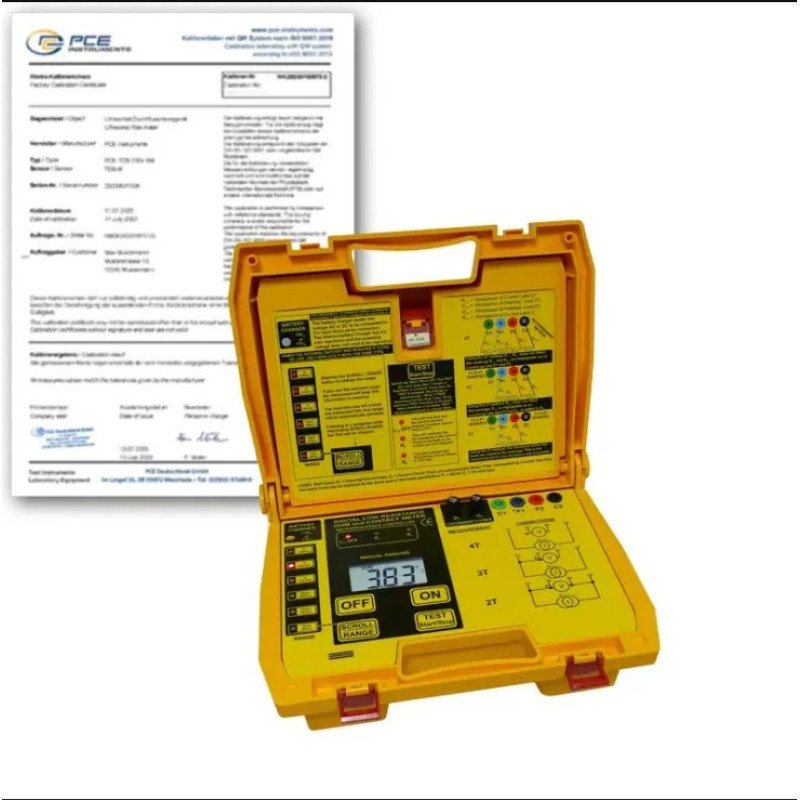
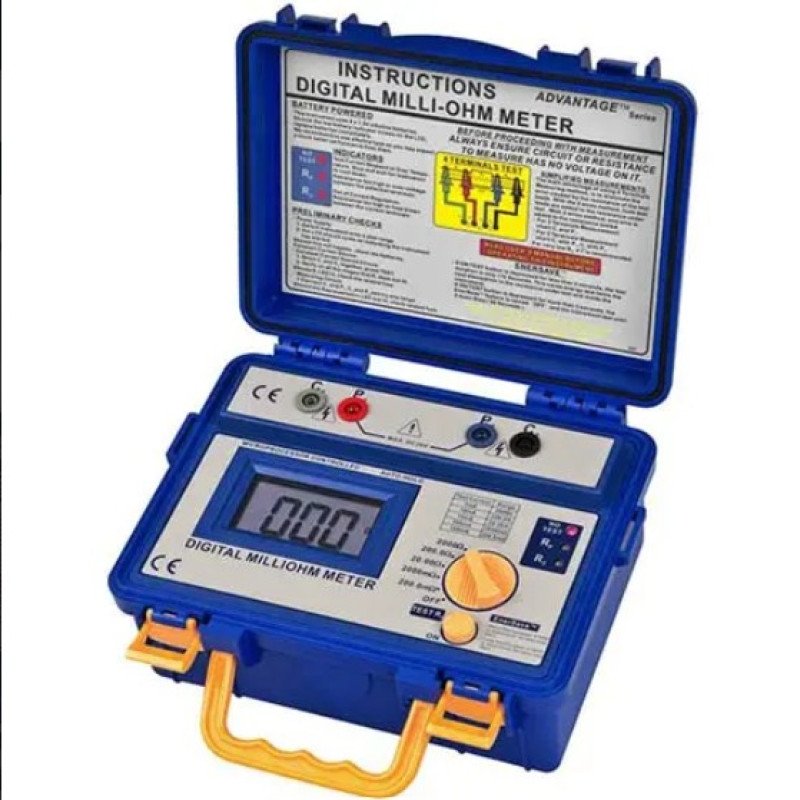
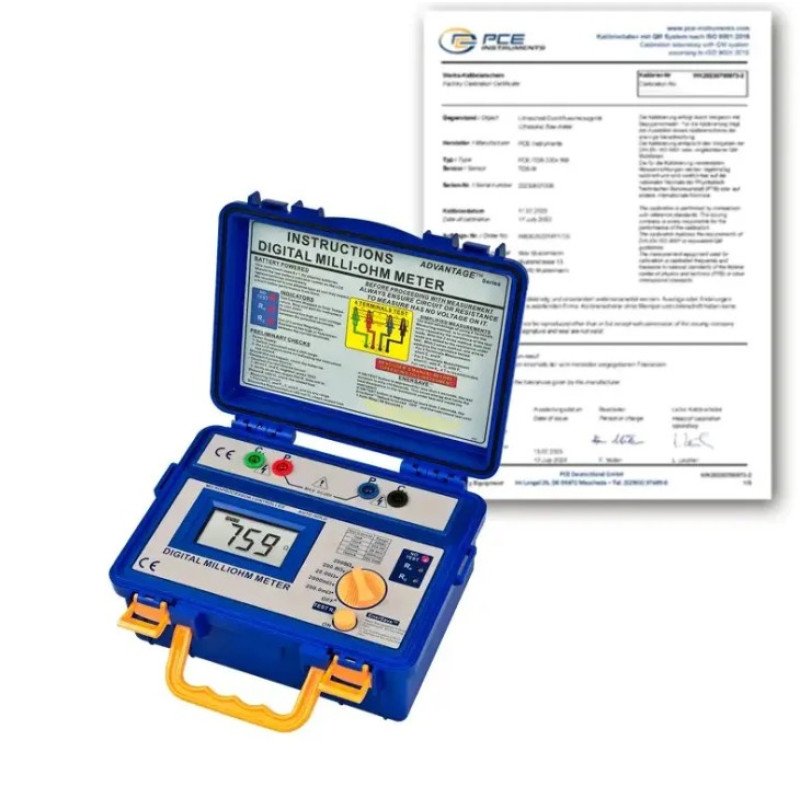
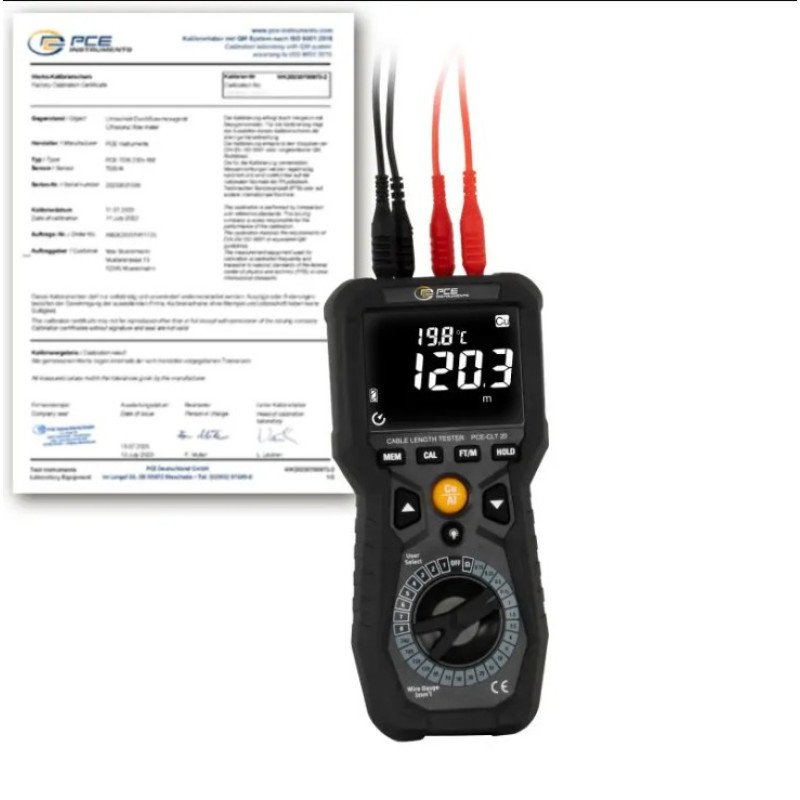
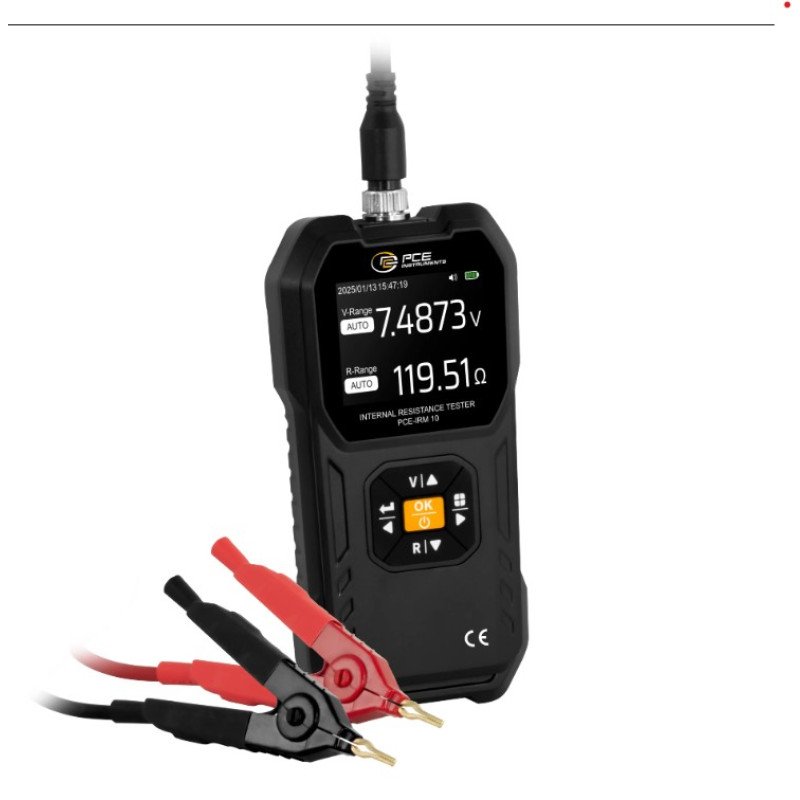
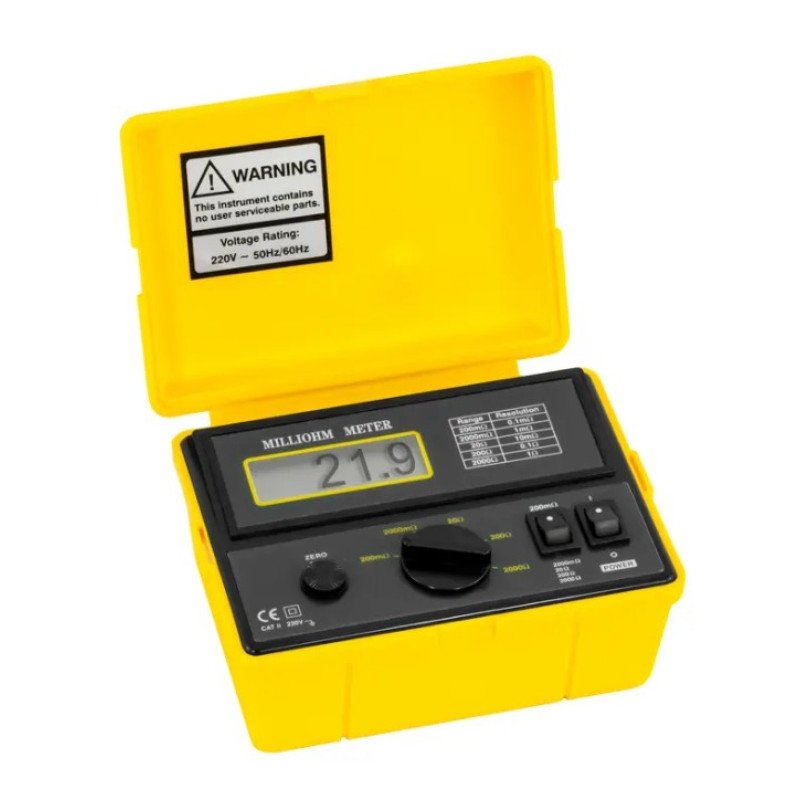
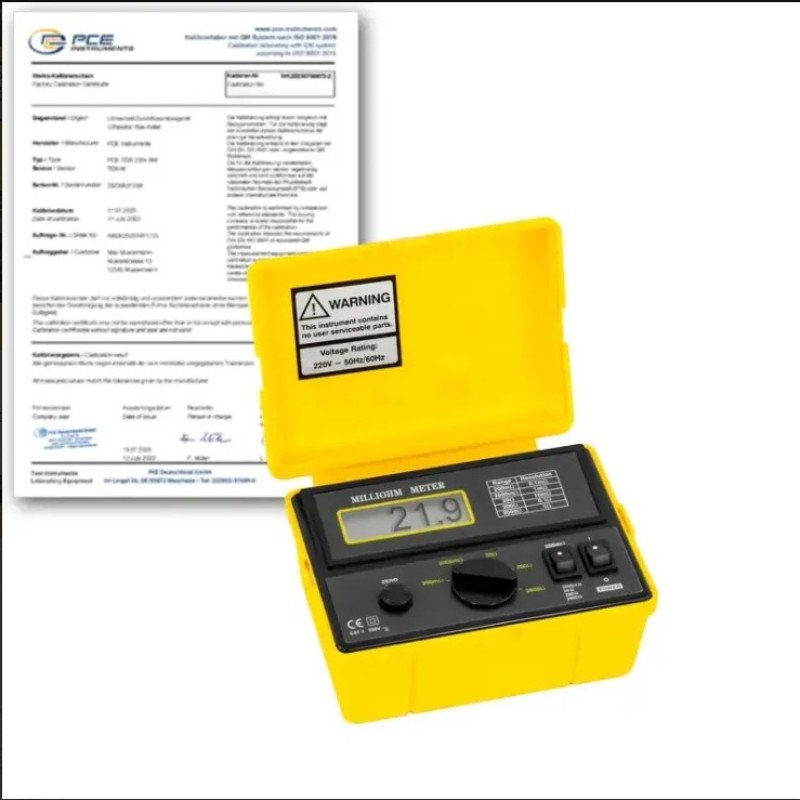
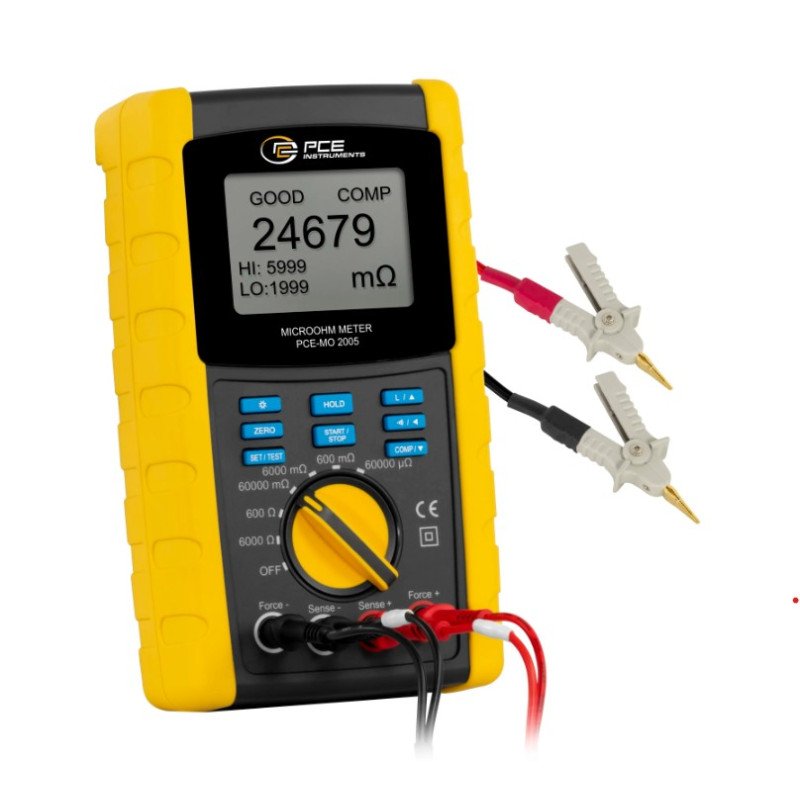
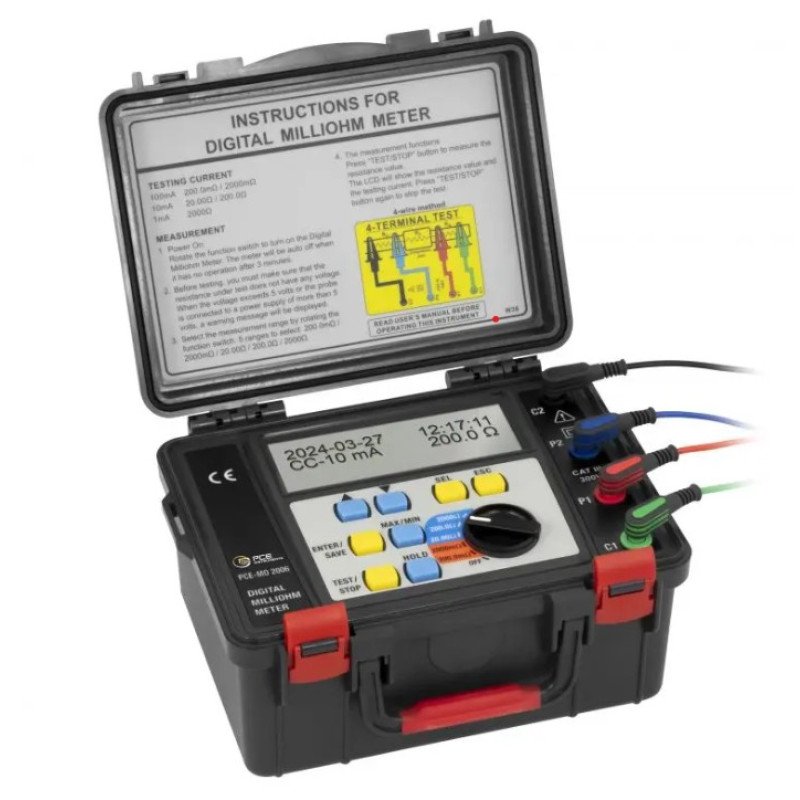
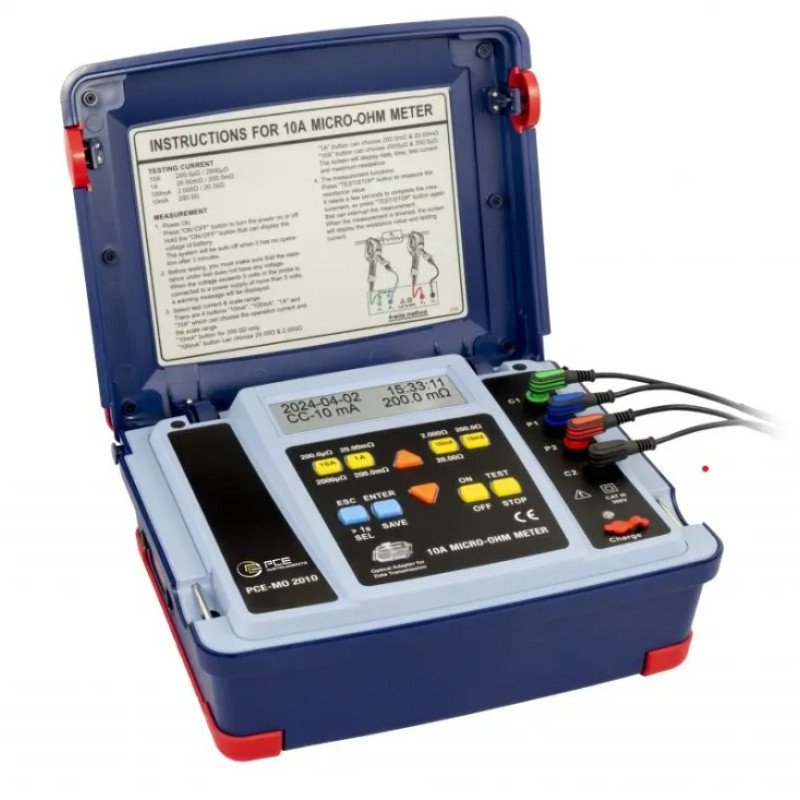
Milliohmmeters, microohmmeters and megohmmeters are specialized measuring instruments used in electrical engineering for the precise measurement of electrical resistance in various orders of magnitude. The milliohmmeter measures resistances in the milli-ohm range, i.e. very low values. This is particularly important when checking electrical connections or the quality of conductor tracks on printed circuit boards. It enables precise measurements in areas where conventional multimeters reach their limits due to their limited sensitivity. The micro-ohmmeter is even more precise and measures resistances in the micro-ohm range. It is often used in high-current applications, such as checking welded joints or in busbar diagnostics. These devices are able to accurately measure small resistances at high currents.
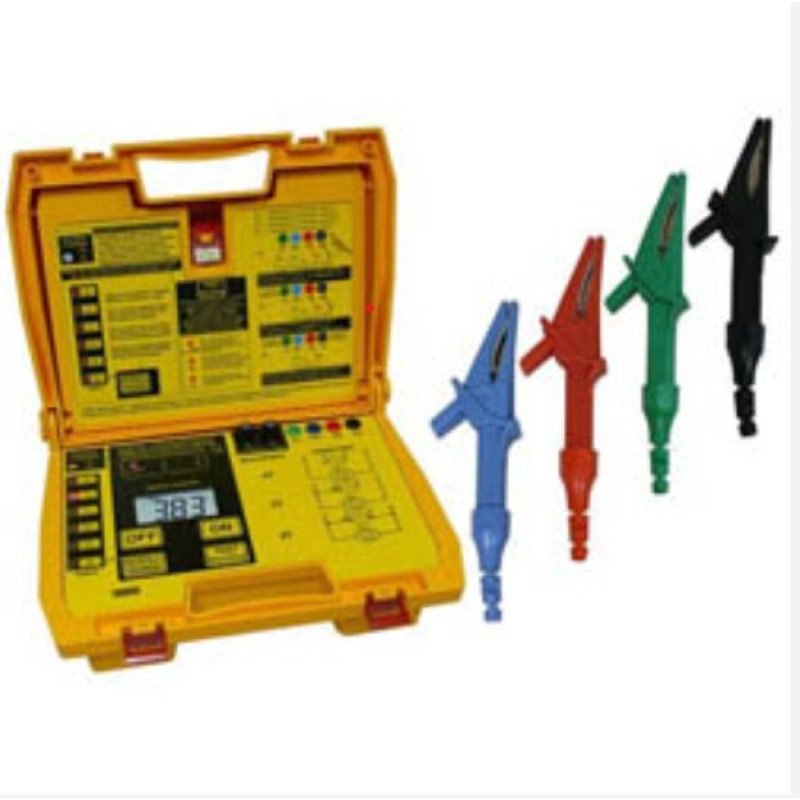
The megohmmeter, on the other hand, is designed to measure very high resistances in the mega-ohm range. This is important when inspecting insulation materials in electrical systems to ensure that they meet the required insulation standards. Such measurements are critical to ensure the integrity of cables, windings or insulators in high voltage systems. All of these ohmmeters are used to make precise measurements in different electrical engineering applications and help to ensure the safety and reliability of electrical systems. Continuity testing of ring systems (ring bus) in domestic and industrial installations. Testing compression elements of overhead lines, connecting links and contacts.